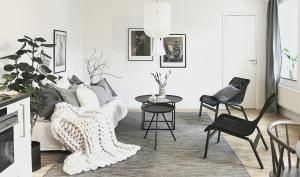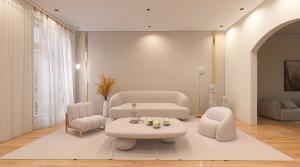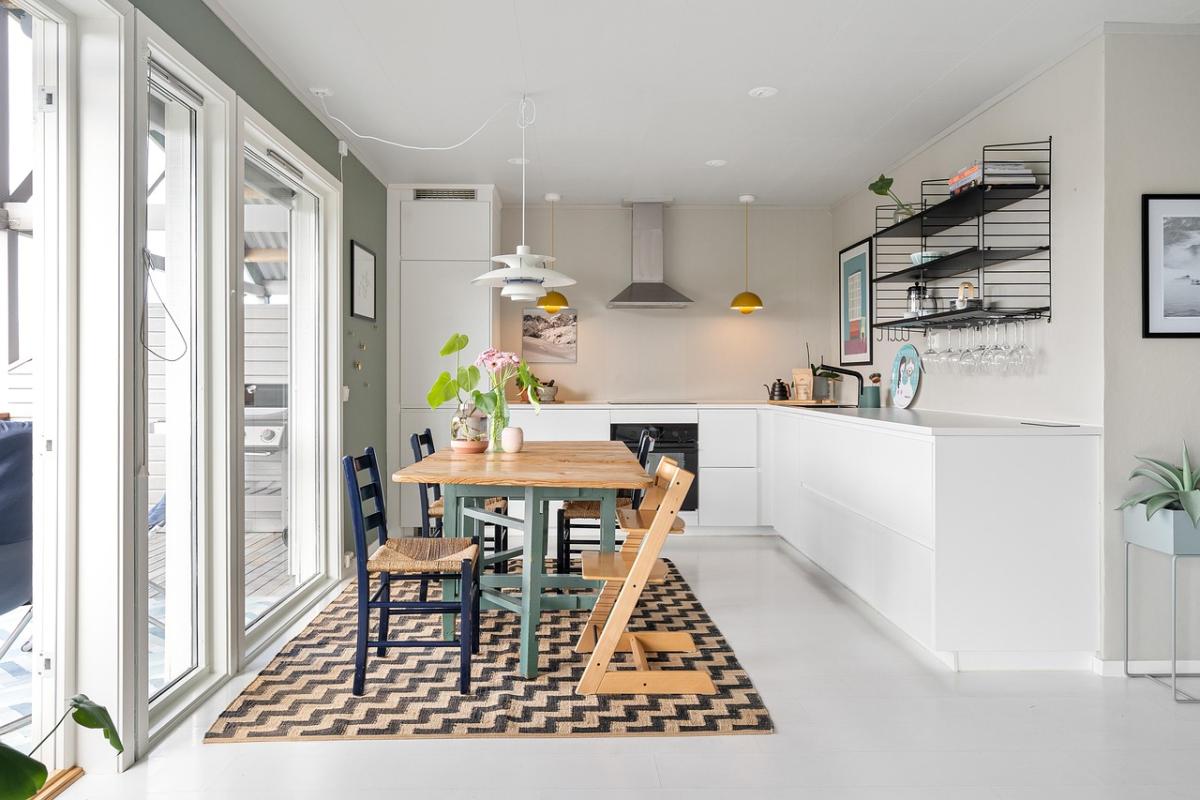
Living simply can have a huge impact on how you feel and think. When your space isn’t cluttered with stuff, it’s easier to breathe and focus. This is especially true for those with ADHD. A clean and minimalist environment doesn’t just look good; it can actually help clear your mind.
Start by getting rid of anything that doesn’t serve a purpose. If you haven’t used it in months, it’s time to let it go. Think of your space as a canvas. The fewer distractions around you, the easier it is to focus on what really matters, whether that’s work, a hobby, or just some quiet time.
Choose furniture that blends functionality with style. Look for pieces that have hidden storage or can multitask. A coffee table with drawers or an inviting chair that doubles as a reading nook can help you keep your essentials close without the mess. Less visible clutter equals less mental clutter.
Don’t forget color! Soft, muted tones promote calmness and focus. Stick with whites, gentle grays, and soft pastels. These colors create a soothing atmosphere and can help reduce distractions, making it easier to keep your mind clear.
Finally, add a few personal touches that spark joy without overwhelming your space. A plant or a piece of art can make your room feel welcoming without adding chaos. Remember, simplicity is key to cultivating a peaceful environment that supports your daily life.
Organize your space to reduce distractions
Keeping your space organized can do wonders for your focus. A clutter-free environment helps minimize distractions, especially when you're trying to concentrate. Start by sorting through your belongings. Decide what you really need and let go of items that don’t serve a purpose. A simple rule is to ask yourself if you’ve used something in the last six months. If not, it might be time to say goodbye.
Once you’ve cleared out the excess, think about how to arrange what you have left. Group similar items together. Use bins or baskets to corral smaller items. This not only looks neat but also makes it easier to find what you need without getting sidetracked. Clear surfaces, like desks and tables, give your brain a break and create a more peaceful vibe.
Another tip? Keep frequently used items within easy reach. If you need your planner, place it on your desk instead of shoving it in a drawer. This way, you'll see it and remember to use it. Create designated spots for everything so that putting things back becomes a breeze. Consistency helps reinforce habits of keeping things in order.
Finally, consider implementing a daily tidy-up routine. Set aside a few minutes each day to straighten up your space. This small commitment can make a big difference over time. When things stay organized, you’ll feel less overwhelmed and more in control. Your space can really be a sanctuary, boosting your productivity and calming your mind.
Use calming colors to enhance focus
When it comes to creating a calm environment, color plays a huge role. Choosing the right palette can really help enhance focus, especially for anyone with ADHD. Soft, muted tones create a sense of tranquility, which is perfect for minimizing distractions. Think about shades like gentle blues, soft greens, and warm neutrals. These colors are inviting and soothing, making it easier to concentrate on tasks.
Bright, bold colors can be fun, but they often add a lot of energy to a space, which might not be what you want for a calm setting. Instead, opt for light pastels or earthy tones. Pastels can bring a little cheer without overwhelming the senses. Earthy shades like beige, taupe, or sage also create a grounding effect, helping you feel more centered and focused.
Another tip is to stick with a consistent color scheme throughout the space. This doesn’t mean everything has to match perfectly, but using similar tones helps tie the room together. It creates a cohesive look that feels organized and peaceful, reducing visual clutter. By keeping your color choices simple and thought out, you can set a calming backdrop for whatever you need to tackle.
Remember, it’s not just about paint colors. Consider furniture, decor, and even accessories in these calming shades. A soft blue chair or a cozy green throw can do wonders in creating an inviting spot that encourages focus. You’ll feel the difference in how you approach your day when surrounded by colors that promote calmness and clarity.
Incorporate natural elements for tranquility
Bringing natural elements into your spaces can really help create a calm vibe, especially when dealing with ADHD. Plants, wood, and even stones can make your home feel more balanced and peaceful. They not only look great but also connect you to nature in a soothing way.
Start with some greenery. Low-maintenance plants like succulents or snake plants are excellent choices. They don’t need much attention, and there’s something incredibly calming about having a bit of green around. You can place a few on your desk or by the window to instantly brighten up the area.
Incorporating wood elements can also enhance the serenity of a space. Think about a simple wooden coffee table or open shelving made from reclaimed wood. These pieces add warmth and texture without cluttering the room. They keep the look minimalist but inviting.
Don't forget about stones and natural materials. A small bowl of smooth stones on your coffee table not only adds to the décor but can also be a tactile stress-reliever. You can run your fingers over them when you need a moment of calm. Plus, they fit right in with the minimalist style.
By combining these natural elements, you create a serene atmosphere that helps ground you. Your space can be both stylish and functional, making it easier to focus and relax. Keeping it simple with nature around can truly work wonders for your mindset.